
We use cookies to allow our website to function properly, personalize content and advertisements, provide social media features, and analyze traffic. We also share information about your use of our website with our social media, advertising, and analytics partners.
2019-05-06
Chyu Chuan-Li
PRESENTER
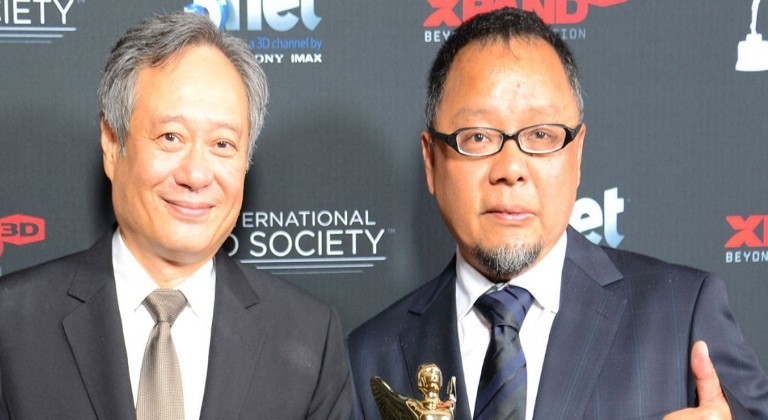
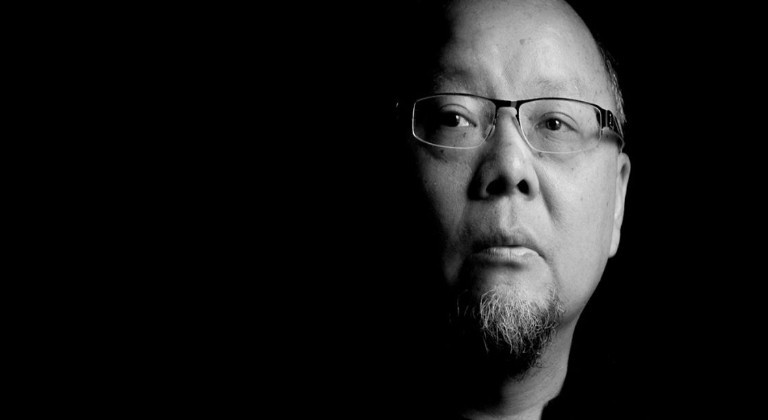
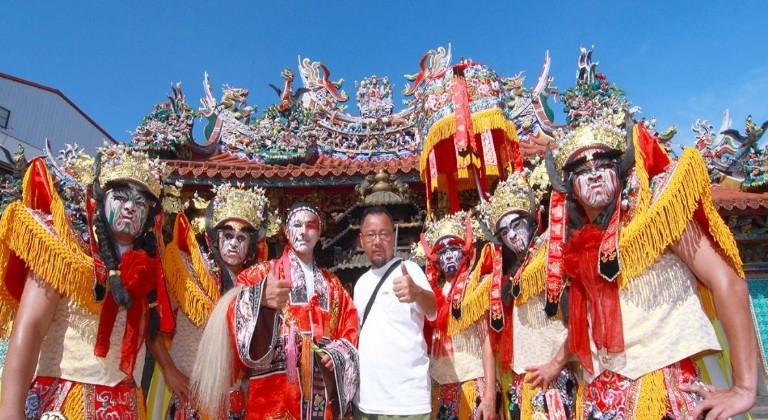
The world needs fools!
Director Kuo Chuan-li of Taiwan in 3D
Director Chu Chuan-Li, known as the “byword for 3D imaging among Chinese people,” leads an ordinary life, but the course of his life has been as twists and turns and eventful as a screenplay.
At the age of 35, when Director Chyu was at the peak of his career, he was diagnosed with a fist-sized brain tumor and told that he might have less than six months to live. After undergoing risky surgery, he was left with the aftereffects of partial hearing and partial blindness, as well as facial nerve paralysis. True to his name, he believes that life means giving it your all.
In 2013, after receiving the “World 3D Award” in Hollywood, he has won countless awards in the field of 3D imaging in recent years. These technologies, developed from scratch, are the result of Director Chu’s more than 3,000 days and nights of filming, 220,000 kilometers of travel, the documentation of 300 artisans whose crafts are on the verge of disappearing, and countless Taiwanese landscapes facing change since he first encountered 3D in 2008.
Having once heard the bell signaling that life’s final class was drawing near, he vowed that “life seems to be a journey toward distant places, but in reality, it is a journey inward toward oneself.” He hopes to continue creating 3D works and enable more people around the world to see Taiwan’s beauty. Without financial backing, he built Taiwan’s first 3D mobile cinema vehicle. Since it began operating in 2014, over more than 1,200 days, it has traveled 130,000 kilometers, visited 316 townships and 1,200 rural elementary schools, and shown 3D documentary films documenting Taiwan to 130,000 students and seniors. Through this, he hopes to use his professional expertise to give back to this land and its children.
Perhaps life presents many challenges, but he always believes, “The road may be difficult, but no matter how hard it is, we must bravely keep moving forward. Just do it!”
Q & A
Q: How do you start your day?
A: My day follows one of two routines. In Taipei: After getting washed and dressed each day, I take my dog to buy a Taiwanese-style breakfast (sweet potato congee), then drive to my farmhouse in Jinshan to tend to my happy farm, pulling weeds and exercising. When working out of town: After getting up each morning, I take a walk around the neighborhood. After returning home, I prepare boiled eggs, a banana, and a cup of oatmeal for breakfast. Once finished, I sit by the door and enjoy the scenery.
Q: Where do you usually spend most of your time?
A: Jinshan Old Street. I go to my farm in Jinshan almost every day to turn the soil and fix things, and I also buy steamed buns or sweet potato congee near the old street to eat at the farm. I’m actually a homebody. Aside from work, I like to stay at home and don’t like going to crowded places.
Q: Which restaurant do you visit most often?
A: Rather than restaurants, I prefer tasting local street food, where you can experience authentic local flavors. If you have the chance to visit Jinshan, you can buy Jinshan Wang Meat Buns near the Old Street, or try A-Lang Tempura, a 36-year-old shop in the market. Both are freshly made and fried on the same day, allowing you to savor traditional old-fashioned flavors. I particularly recommend the taro pastry, a seasonal item available only in June and July. Jinshan Wang Meat Bunshttp://kswang.com.tw/about.html
Q: What do you do for entertainment after work?
A: I’m usually very tired after work. After going home and taking a shower, my main form of entertainment is reading. I also listen to music and look up information while browsing Facebook. Rather than entertainment, I pursue the joy of experiencing life: “Experiences come from living mindfully, and moving moments come from experiencing mindfully.”
Q: Having filmed so many productions, have you encountered anything interesting or memorable?
A: The most interesting thing is that new challenges always arise during the filming process. Many people ask me why I make 3D films. Honestly, I don’t know either (laughs), because you learn and do things as you go, and only after doing them do you find out what will happen. You never know what kind of film your next one will be or whom you will meet. I never knew I would receive an award with Ang Lee or collaborate with Director Hou. That is what makes filmmaking fun, and it is also the most fascinating part of this work.
Q: If you weren't a director, what would you want to do?
A: As a speaker, I believe sharing is a wonderful thing. Being able to give others strength by sharing your own story is truly great. Even though I have given more than 300 speeches, I am still adjusting and practicing. Although I can now speak quite fluently and keep the rhythm under control, I still need to practice continuously and incorporate new experiences from each day into my speeches.
Q: What advice does Director Chu have for young people who want to pursue a career in directing?
A: Given global trends, working in the film and television industry is a good choice, but you must first evaluate your own abilities and whether you can accept the lifestyle that comes with filmmaking; all of these are factors to consider. We are now in an era where everyone is a director, simply by picking up a phone or camera and filming. Because equipment is so readily accessible, the barrier to entry has become too low, and the biggest problem is that people have not learned the basic logic and theories thoroughly. In the past, the industry operated under an apprenticeship system: you had to spend three years carrying equipment before you could even begin handling a camera. During those three years, you practiced the fundamentals, such as composition and lighting, and that formed your foundation. The professional foundation required in any industry cannot be built overnight; it must be accumulated gradually.
Q: Does Director Chu have any hidden-gem attractions to recommend?
A: Yangmingshan, Taipei’s backyard, offers many attractions to explore. Although it is a relatively small area, it encompasses a diverse range of landscapes. For example, Qingtiangang was formed by lava overflowing from the Datun Volcano Group, while Dream Lake boasts rich bird ecology. If you have more time, you can take a one-day trip along the Yangjin Highway to the North Coast, stroll around Jinshan Old Street, and see the Queen’s Head at Yehliu. Then, you can head to Guihou Fishing Harbor for seafood. There is plenty to eat and do along the way. Yehliu Geoparkhttp://www.ylgeopark.org.tw/content/index/index.aspxYangmingshan National Parkhttp://www.ymsnp.gov.tw/
Q: What is the most recent book you read? Did it give you any insights or leave you with any thoughts after finishing it?
A: I recently reread Laozi’s *Tao Te Ching*. When I read it in the past, I could only grasp its meaning intuitively. After gaining more life experience, I can better appreciate what is written in the book when I return to it. When I come across something I do not understand, it is actually very interesting to look online at the annotations provided by different people. Everyone’s interpretation is different, based on their experiences and perspectives.
Q: What do you find most interesting or appealing about Taiwan?
A: Taiwan is a small island surrounded by sea on all sides, rich in natural ecosystems. The purple crow butterfly migration at “Dao Gei Na” on Dawu Mountain in Pingtung, together with Mexico’s Monarch Butterfly Valley, is one of the world’s two major overwintering butterfly valleys. This land may not be large, yet it can stand alongside Mexico’s Monarch Butterfly Valley. Located at Taiwan’s southernmost tip, Hengchun is, as its name suggests, “springlike all year round.” The charm and romance of its sea have become famous through director Wei Te-sheng’s film Cape No. 7. With the historical warmth of its old town and its uniquely blessed natural conditions, it is the island’s place closest to the sunlight, its slender cape pointing toward the equator. Taiwan is truly fascinating: it has mountains when you want mountains, seas when you want seas, and every kind of scenery!!!
Q: What do you look forward to most when staying at a hotel?
A: The room is clean, and having a window overlooking greenery or nature would be absolutely wonderful!!
Q: What is your impression of the hotels under the Taipei Inn brand?
A: What I appreciate about Taipei hotels is how thoughtfully each property has its own distinct style, with great care given to incorporating the original architectural design and cultural and creative elements. The one that left the deepest impression on me was CityInn Hotel Plus - Taichung Station Branch. Its location is very convenient, right behind Taichung Railway Station. The entrance was clean and bright, and most importantly, the staff were very warm and welcoming. Since I had to work at five o’clock the next morning, a staff member even thoughtfully asked whether I would like them to prepare a breakfast to go. I thought that was very considerate. The warmth of human interaction is irreplaceable.
Related information
2024-05-22
Chen Shih-Lin
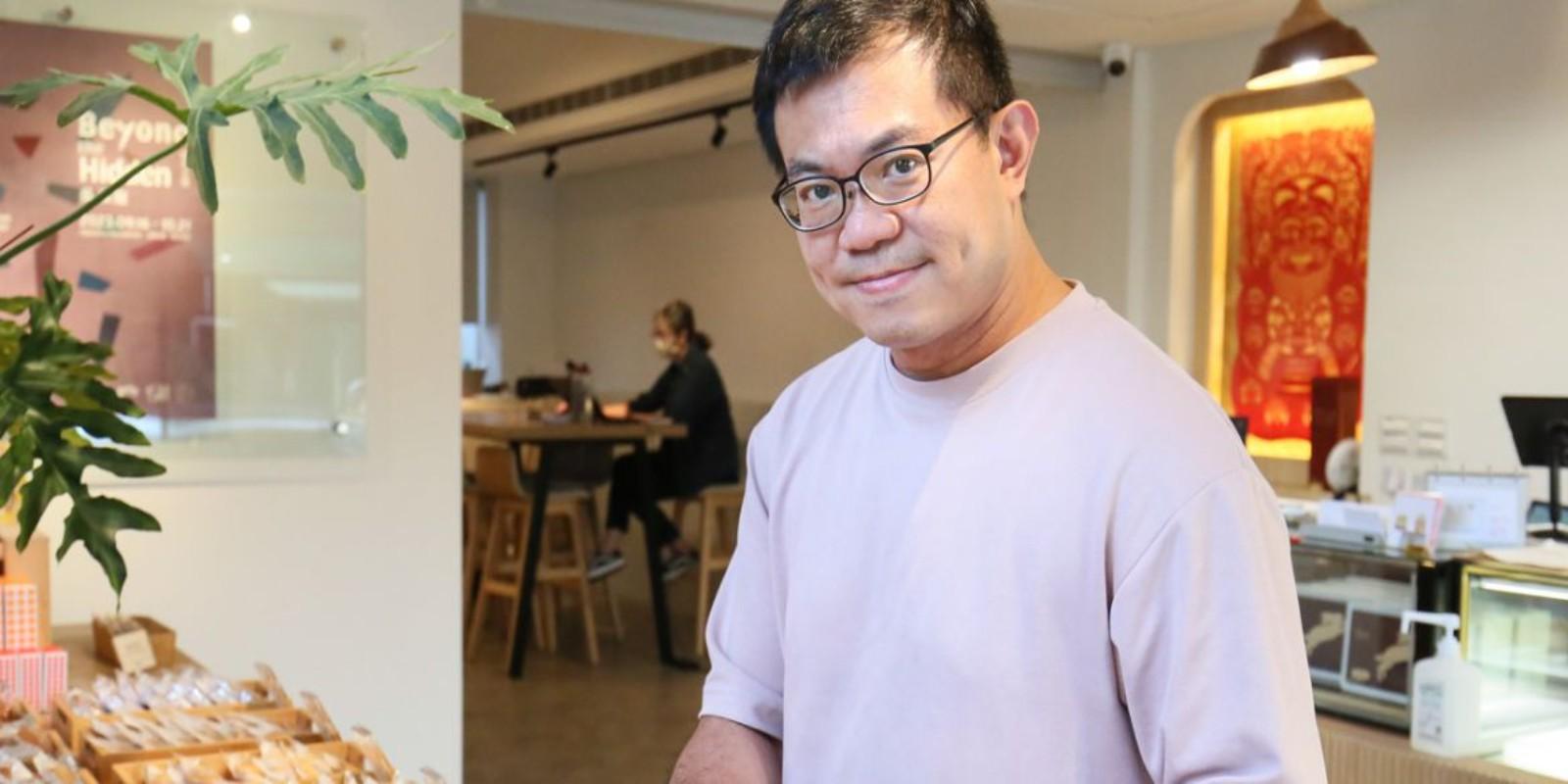
ISM-style dessert founder Chen Shih-lin, who is also the guest principal cellist of the band Wansheng, turned to his favorite path of desserts at the age of 32. He studied culinary arts and baking in Canada and Japan, and from 2013 to 2014, he joined 16ku, a renowned French pastry shop in Fukuoka, Japan, where he worked and furthered his studies under Japanese pastry master Takao Mikawa.
2024-05-21
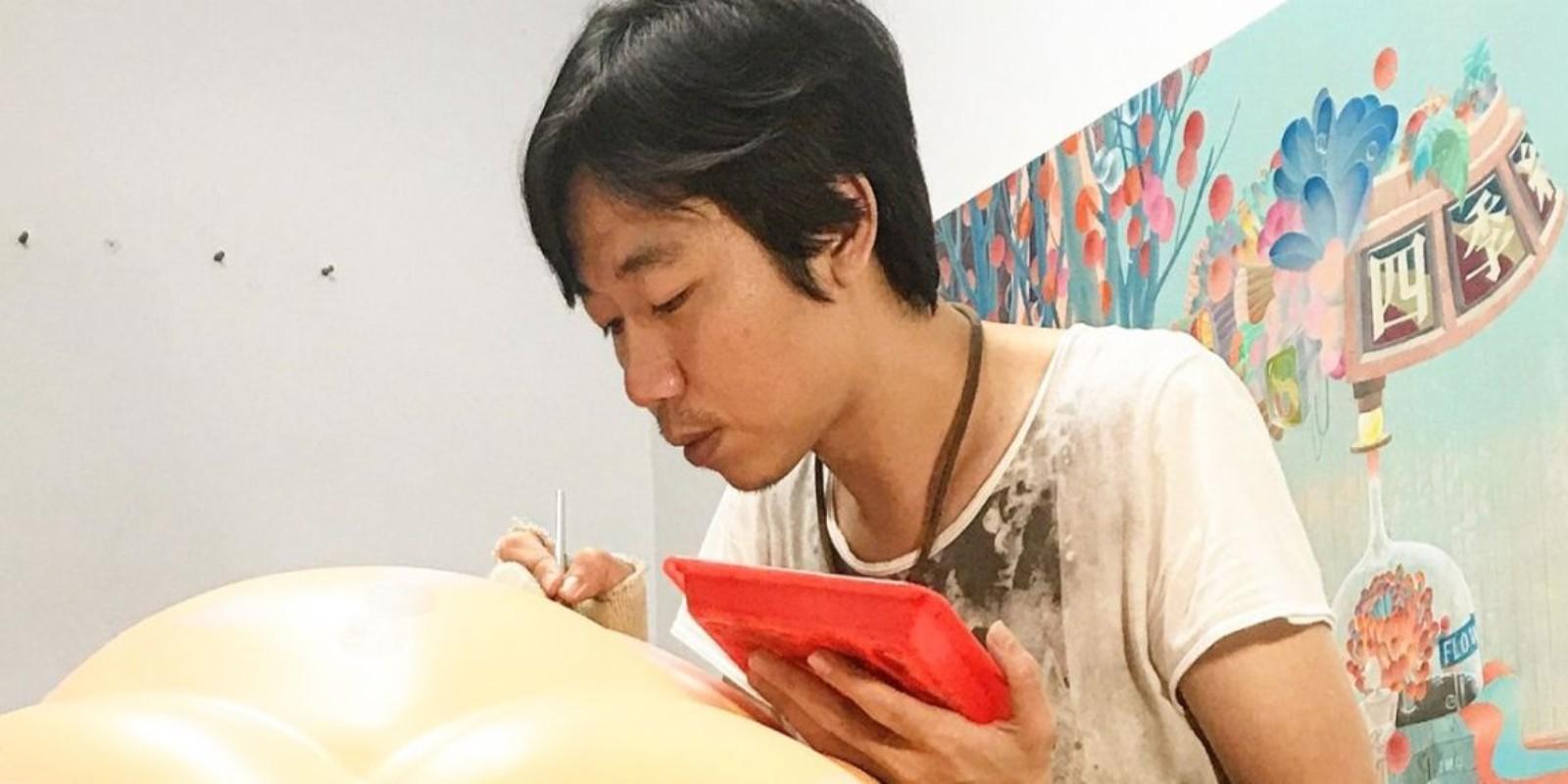
Huang Po-Hsun
Using “abundance” and “freedom” as the two central themes, the work explores the relationship between oneself and the living environment, portraying this rich yet lonely world in vivid and colorful forms.

2022-01-20
ANO (Ano)
ANO, a Taiwanese graffiti artist, considers video games, science, and graffiti to be indispensable sources of nourishment and integral parts of his life. He first encountered graffiti in junior high school through skateboarding, and since then, his life has been inseparable from graffiti art.
- Add No. 13, Ln. 135, Sec. 1, Zhongshan N. Rd., Zhongshan Dist., Taipei City 104
- Mail dandytj@taipeiinn.com.tw
- Tel +886-2-2541-5788
- Fax +886-2-2541-3737