
We use cookies to allow our website to function properly, personalize content and advertisements, provide social media features, and analyze traffic. We also share information about your use of our website with our social media, advertising, and analytics partners.
2019-05-06
Lan Lijuan
PRESENTER
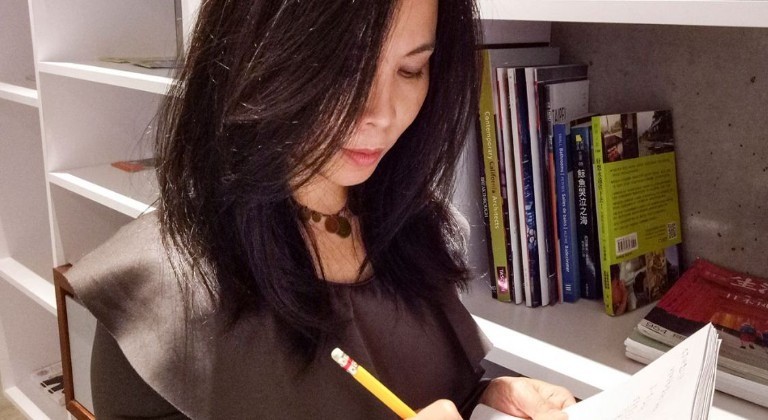
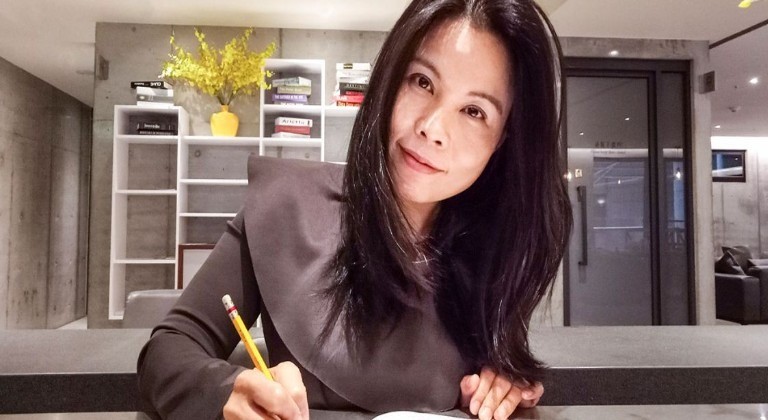
Lan Li-chuan
Literary journalist
Q & A
Q: How do you start your day?
A: Every morning when I wake up, I like to open the window and admire the colors of the sky, greeting the city I am in with a good morning; if a passerby hears me, I simply blink. I enjoy listening to the vitality of water boiling in the kettle, having a cup of coffee or mango-flavored rooibos tea, and choosing a piece by Sibelius, Dvořák, or Brahms to add fuel to the hearth of my soul.
Q: Where do you most often spend your time?
A: High-speed rail stations—I think they are hubs that carry dream-bound travelers.
Q: Which restaurant do you visit most often?
A: At Xitai Teahouse on the first floor of the National Theater, people come for its renowned value-for-money braised beef noodle soup with both tendon and meat, but I prefer the wonton soup with vegetables and meat, along with two plates of braised dishes and a cup of sour plum juice.
Q: What do you do for entertainment after work?
A: Reading: In particular, novels by Nobel Prize winners in Literature, as well as works by Taiwanese writers. Watching films: I prefer themes that inspire introspection and reflection, such as Norman and Manchester by the Sea.
Q: What is the most recent book you read? What insights or thoughts did you have after finishing it?
A: *The Remains of the Day*, one of the important works by Kazuo Ishiguro, winner of the 2017 Nobel Prize in Literature. The story follows a butler who upholds professional dignity and relinquishes his personal feelings, devoting his entire life to his professional duties, yet ultimately becomes an accomplice to injustice (the Nazis). As dusk falls on his life, the weathered reef scrapes against his proud memories; as the long day (the remainder of his life) draws to an end, his dignity collapses, unleashing waves of remorse!
This novel has further convinced me that people should not pursue professionalism at the expense of their conscience; this applies to every profession. One must first be a good person before becoming a good butler, journalist, physician, legislator, chef… By using conscience as the guiding standard first, one will not be overwhelmed by professionalism.
Q: What motivated you to give up a good job in your early thirties and go to New Zealand to study winemaking?
A: At the time, I believed that working diligently toward an organization’s goals along one’s career path was an important attitude in the workplace. However, devoting all my time and energy to work led to an imbalance in my life, yet I continued to maintain this routine out of fear of change. It was not until my respected mentor passed away from cancer—he was also a perfectionist and workaholic—that I suddenly realized, “Tomorrow is not something we can always count on.” I therefore asked myself: Pursuing the organization’s goals with all my might is indeed important, but where are my own dreams? Thus began a journey to New Zealand’s wine regions to explore myself. (See also *Quit Working to Make Wine*.)
Q: What advice would you give to those who want to change but are afraid of change?
A: On a large sheet of paper (A4 or A3—the larger, the better), write down the following questions: (1) Why do I want to change? (2) What do I want to change? (3) What positive effects will there be after I make the change? (4) What negative consequences will there be? (5) Review the answers to (3) and (4), and ask yourself: Will there be any losses? If (4) > (3), why not do it? If (3) > (4), there is no need to make a major change; simply make some small changes in your daily life to ease the inertia of your current lifestyle. Draw a nine-square grid on the paper, draw the things you like, and incorporate each of them into your habitual daily life. For example, commute by bicycle instead, get off the MRT one stop early every day, or require yourself to learn one French sentence each day. Changing the scenery of your life can also create positive effects.
Q: What do you do when you feel stressed or depressed?
A: Reading, especially novels by Nobel Prize winners in Literature, reflecting on my own life and thus feeling less alone.
Q: What do you find most interesting or appealing about Taiwan?
A: Taitung. Have you ever driven or cycled along Provincial Highway 9, wandering along the East Coast? It is the best way to face and embrace the Pacific Ocean. The simple warmth of the people, the fresh breeze, and the healing power of nature. One section of the highway enters the East Rift Valley, allowing you to experience the beauty of the land up close. I especially enjoy grass sledding at Luye Highland, overlooking the green landscape between the river valleys and plains.
Q: What do you look forward to most when staying at a hotel?
A: Friendly and welcoming service that makes guests feel at home.
Q: What is your impression of the hotels under the Taipei Hotel Group?
A: I have stayed at the City Suites Hotel (Chang'an East Road Section 1) before. The lobby staff were warm and welcoming. The hotel's overall design centers on playful, childlike illustrations. Under the guidance of the Dot Good team, the artworks created by people with intellectual disabilities were integrated and transformed into paintings displayed on the walls, as well as illustrations on window decorations and throw pillows. During my stay, I naturally felt more cheerful. For a business hotel, the breakfast at the City Suites Hotel especially exceeded my expectations. It offered a diverse selection that suited Asian tastes while also accommodating Westerners' dietary preferences.
Q & A
Q: How do you start your day?
A: Every morning when I wake up, I like to open the window and read the colors of the sky, saying good morning to the city where I am; if pedestrians hear me, I simply blink. I enjoy listening to the vitality of the hot water boiling in the kettle, having a cup of coffee or mango-flavored rooibos tea, and choosing a piece by Sibelius, Dvořák, or Brahms to add fuel to the hearth of my soul.
Q: Where do you usually spend most of your time?
A: The high-speed rail station—I feel it is a hub that welcomes travelers carrying their dreams.
Q: Which restaurant do you visit most often?
A: At Xitai Teahouse on the first floor of the National Theater, people come for its renowned braised beef noodles with both tendon and meat, which offer excellent value for money. But I prefer the vegetable-and-pork wonton soup, along with two plates of braised appetizers and a glass of sour plum juice.
Q: What do you do for entertainment after work?
A: Reading: I particularly enjoy novels by Nobel Prize winners in Literature, as well as works by Taiwanese writers. Watching movies: I prefer themes that inspire introspection and reflection, such as “Norman” and “Manchester by the Sea.”
Q: In your early thirties, you gave up a good job and went to New Zealand to study winemaking. What motivated you to make such a decision?
A: At the time, I believed that, along the career track, diligently working toward an organization’s goals was an important work attitude. However, devoting all my time and energy to work led to an imbalance in my life, yet I continued to maintain this inertia because I was afraid of change. It was not until my respected mentor died of cancer—he was also a perfectionist and a workaholic—that I suddenly realized, “Tomorrow will not always come.” I therefore asked myself: Pursuing the organization’s goals wholeheartedly is indeed important, but where are my own dreams? Thus began a journey to New Zealand’s wine-producing regions to explore myself. (See also *Leaving the Office to Make Wine*.)
Q: What advice would you give to friends who want to change but are afraid of change?
A: On a large sheet of paper (A4 or A3—the larger, the better), write down the following questions: (1) Why do I want to change? (2) What do I want to change? (3) What positive effects will there be after I make the change? (4) What negative consequences will there be? (5) Review the answers to (3) and (4), and ask yourself: Will there be any losses? If (4) > (3), why not do it? If (3) > (4), there is no need to make a major change; simply make some small changes in your daily life to ease the inertia of your current lifestyle. Draw a nine-square grid on the paper, draw the things you like, and incorporate each of them into your habitual daily life one by one. For example, commute by bicycle instead, get off the MRT one stop early every day, or require yourself to learn one French sentence every day. Changing the scenery of your life can also create positive results.
Q: What is the most recent book you read? Did you have any realizations or thoughts after finishing it?
A: The Remains of the Day, one of the important works by Kazuo Ishiguro, winner of the 2017 Nobel Prize in Literature. It tells the story of a butler who upholds professional dignity and renounces personal feelings, devoting his entire life to his professional duties, yet ultimately becoming an accomplice to injustice (the Nazis). As dusk falls on his life, weathered reefs scrape against his proud memories; as the long day (the rest of his life) draws to an end, his dignity collapses, stirring up heaps of regret!
Q: What do you do when you feel stressed or depressed?
A: Reading—especially novels by Nobel Prize winners in Literature—allows me to reflect on my own life, so I feel less alone.
Q: What do you find most interesting or appealing about Taiwan?
A: Taitung. Have you ever tried driving or cycling along Provincial Highway 9, meandering along the east coast? It is the best way to face and embrace the Pacific Ocean. The simple warmth of the people, the fresh breeze, and the healing power of nature. A section of the highway that enters the East Rift Valley also allows you to experience the beauty of the land firsthand. I especially enjoy grass sledding at Luye Highland, overlooking the green landscape between the river valleys and plains.
Q: What do you look forward to most when staying at a hotel?
A: Friendly and welcoming service that makes guests feel at home.
Q: What is your impression of the hotels under the Taipei Hotel Group?
A: I have previously stayed at the SIRAY Hotel (on Section 1 of Chang'an East Road). The lobby staff were warm and welcoming. The hotel's overall design centers on charming, childlike illustrations. Under the guidance of the Dotted Goodness team, the works of people with intellectual disabilities were integrated and transformed into paintings adorning the walls, window grilles, cushion illustrations, and more. Staying there naturally gives one a cheerful feeling. As a business hotel, the SIRAY Hotel's breakfast especially exceeded my expectations. It offers a diverse selection that suits Eastern tastes without neglecting Western dietary preferences.
Related information
2024-05-22
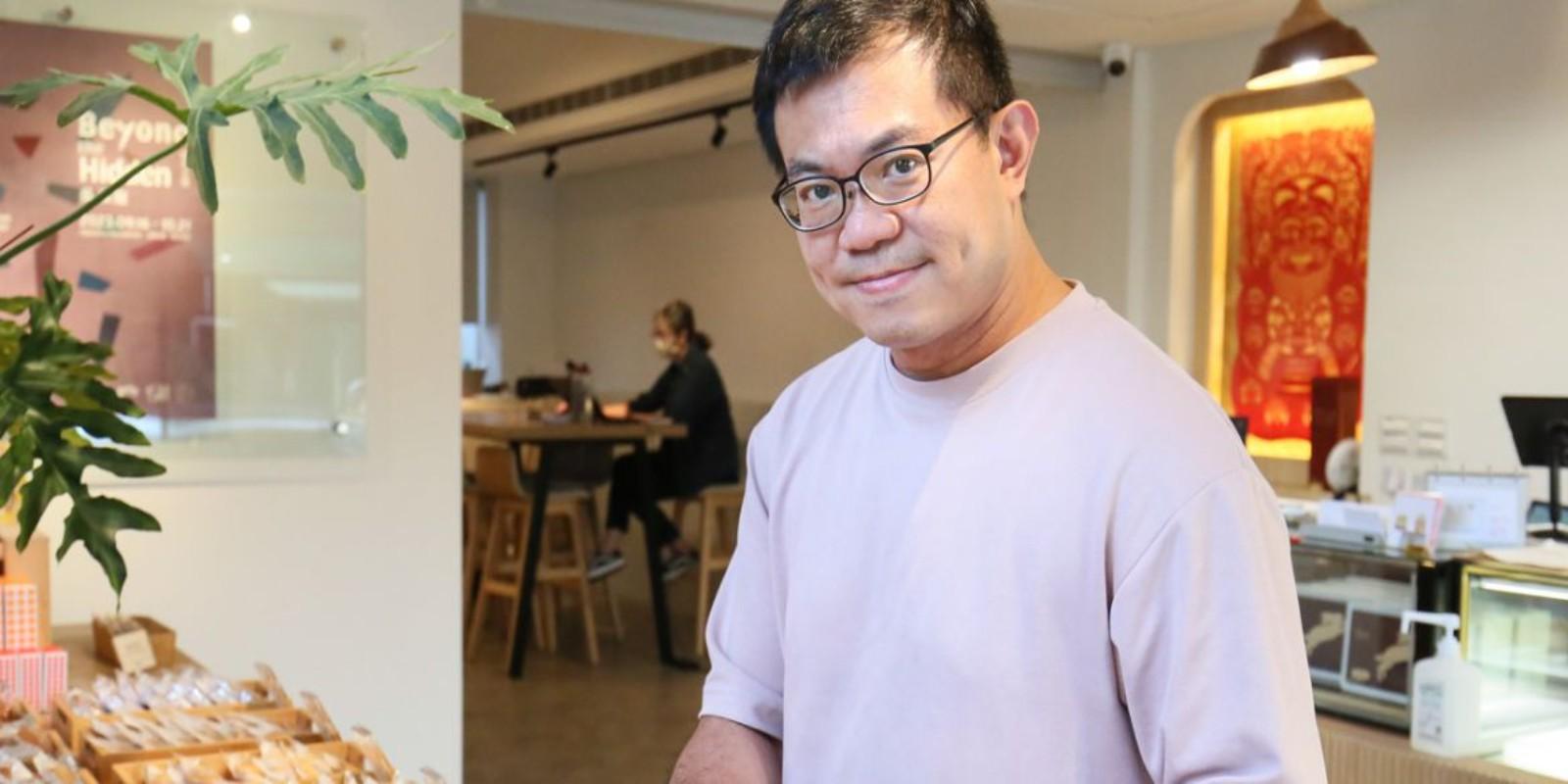
Chen Shih-Lin
ISM-style dessert founder Chen Shih-lin, who is also the guest principal cellist of the band Wansheng, turned to his favorite path of desserts at the age of 32. He studied culinary arts and baking in Canada and Japan, and from 2013 to 2014, he joined 16ku, a renowned French pastry shop in Fukuoka, Japan, where he worked and furthered his studies under Japanese pastry master Takao Mikawa.
2024-05-21
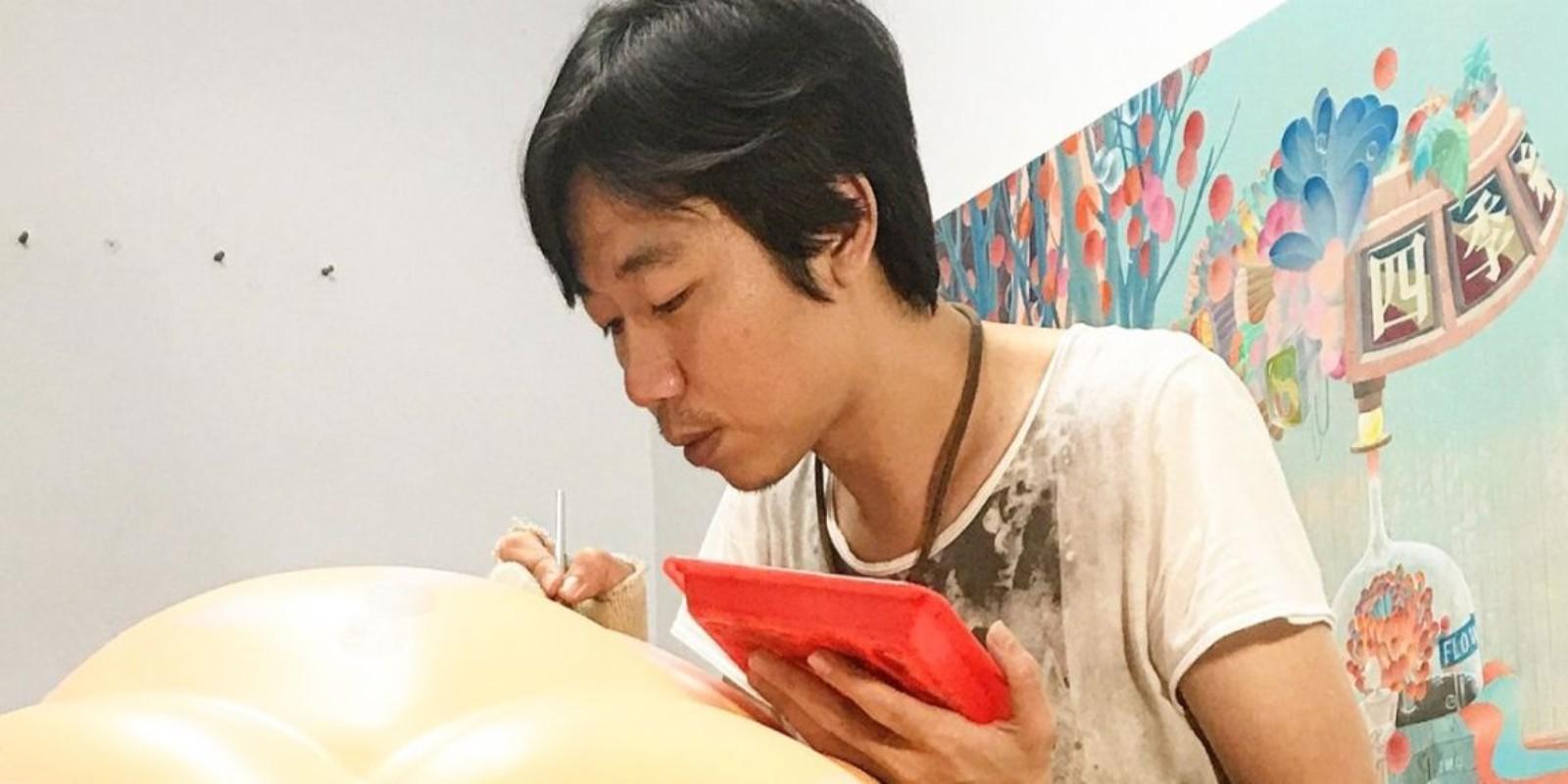
Huang Po-Hsun
Using “abundance” and “freedom” as the two central themes, the work explores the relationship between oneself and the living environment, portraying this rich yet lonely world in vivid and colorful forms.

2022-01-20
ANO (Ano)
ANO, a Taiwanese graffiti artist, considers video games, science, and graffiti to be indispensable sources of nourishment and integral parts of his life. He first encountered graffiti in junior high school through skateboarding, and since then, his life has been inseparable from graffiti art.
- Add No. 13, Ln. 135, Sec. 1, Zhongshan N. Rd., Zhongshan Dist., Taipei City 104
- Mail dandytj@taipeiinn.com.tw
- Tel +886-2-2541-5788
- Fax +886-2-2541-3737